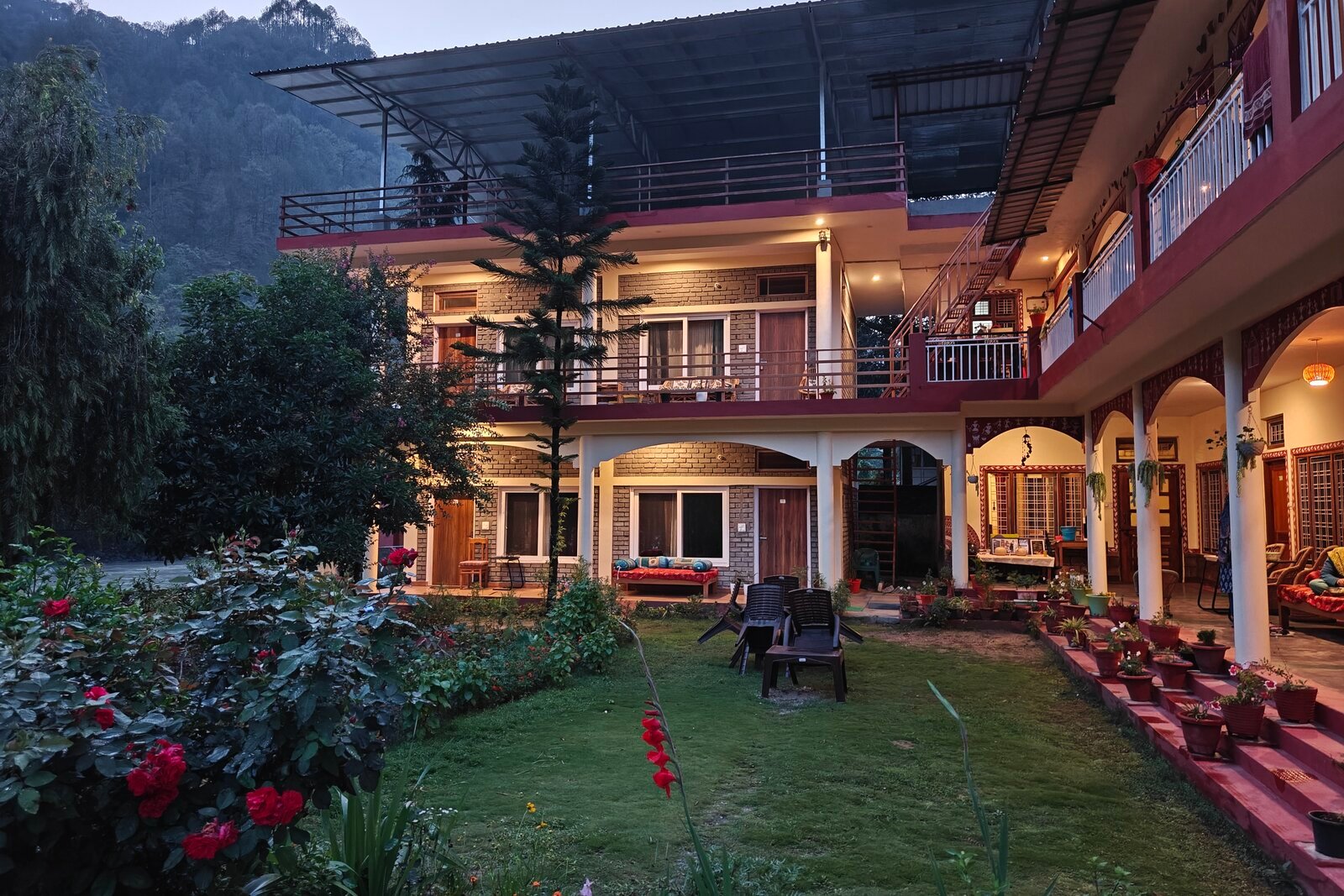
Why We Chose to Leave Varkala and Rishikesh for Uttarkashi

There are decisions that look simple from the outside. A new location. A new venue. A new chapter. But some decisions carry years of memory inside them.
Varkala had become part of Stri Wellness. It had held our students, our practices, our conversations and our beginnings. Leaving it was not a business decision I made lightly.
For a long time, I kept asking myself whether we really needed to move. Was I being ungrateful? Was I asking for something too idealistic? Was I risking something that had already worked?
The work had changed. And the place needed to change with it.
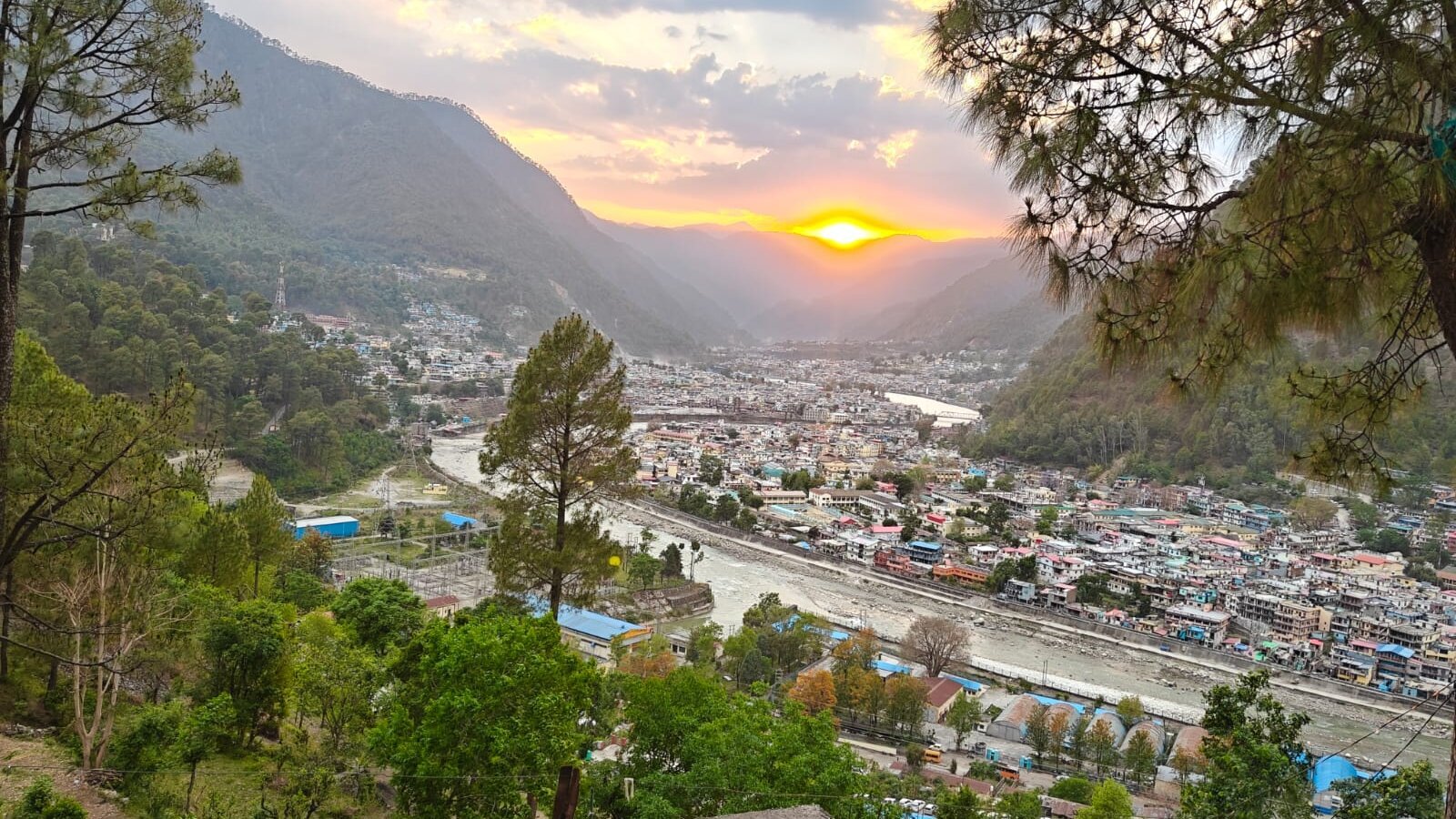
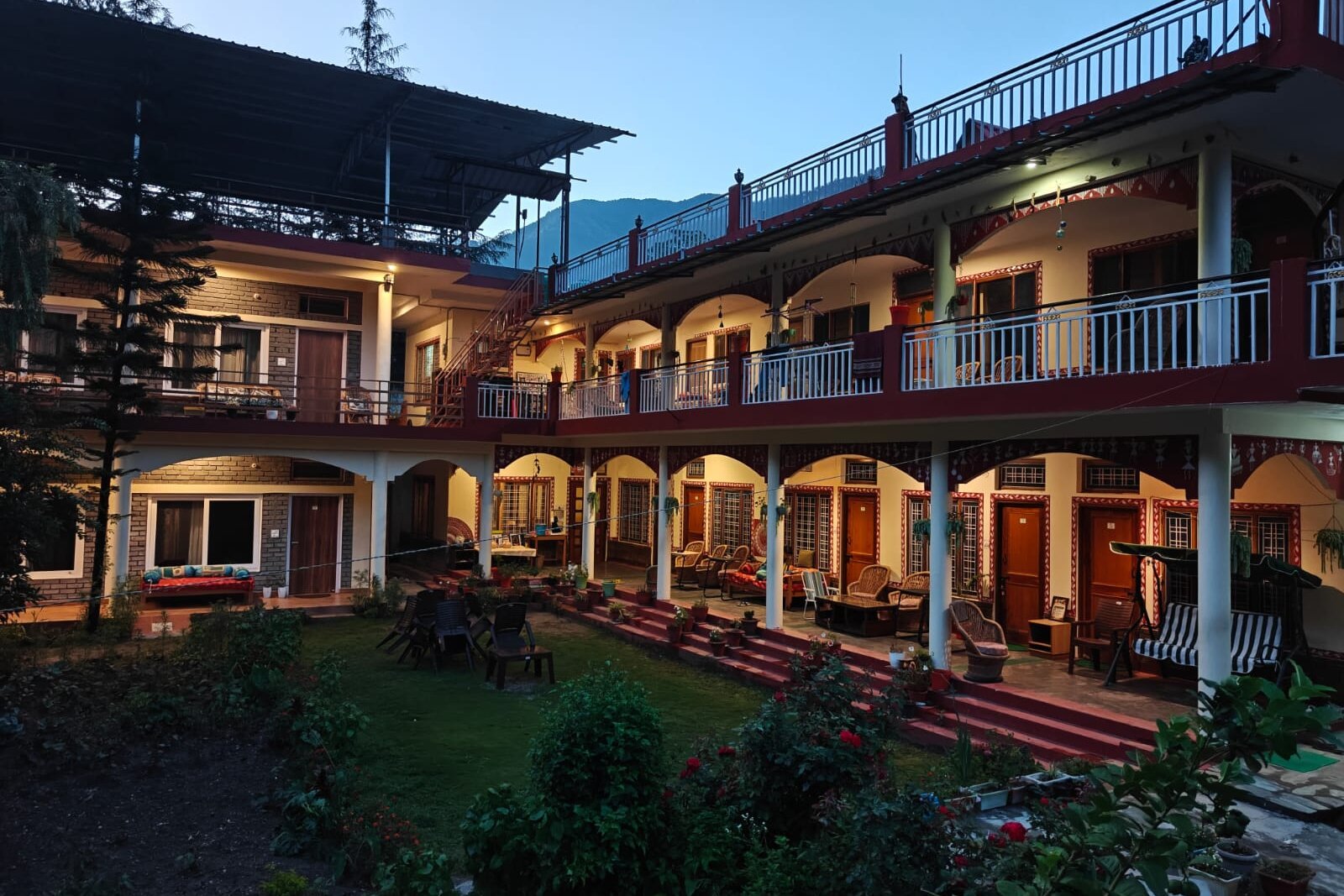
The Bhagirathi valley at dusk, near Uttarkashi.
Varkala Gave Us a Beautiful Beginning
Varkala was never just a location on our brochure. It became part of our story. The sea, the warmth, the slower coastal rhythm — students arrived tired, and over the course of a programme, I watched them gradually soften.
Some of my clearest memories of Stri Wellness's early years happened over shared meals and conversations that stretched long after class had ended. Trainees who arrived as strangers left as a cohort who genuinely cared about each other. Varkala gave that its own kind of quiet permission — the sound of the sea nearby, the ease of the coast, the sense that there was time to slow down.
Whatever comes next for Stri Wellness, those memories do not disappear. Varkala played a real role in the early development of this school, and I remain grateful for it.
But Beauty Was No Longer Enough
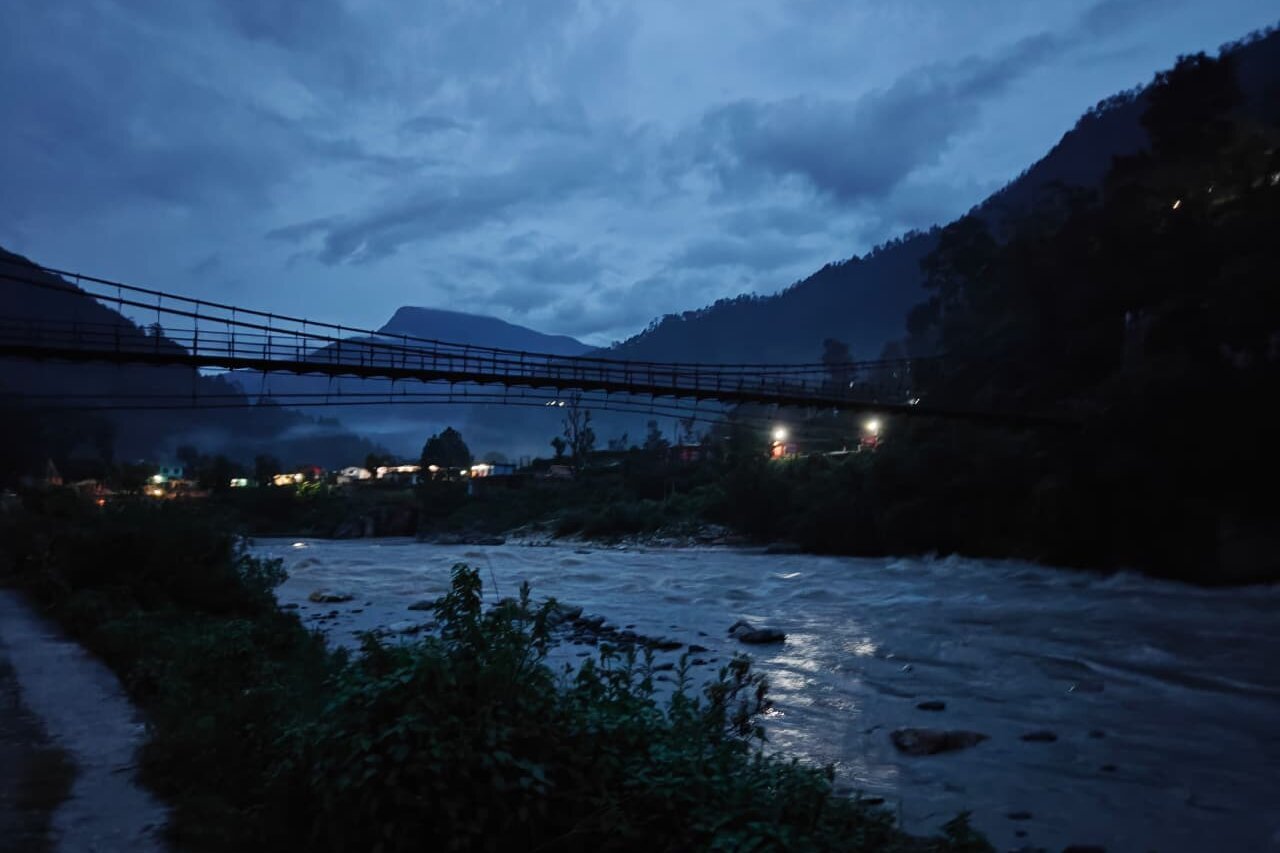
I began to notice a tension I could not ignore. We were asking students to slow down, observe themselves and enter a disciplined learning process. But the environment around us often pulled in the opposite direction — towards movement, tourism, cafés, beaches, short stays and constant activity.
There was nothing wrong with that. It simply was not what our work was becoming.
As our curriculum deepened, our students needed fewer distractions, not more amenities nearby.
As our curriculum deepened — as the trainings became more serious and teacher education asked for greater discipline — our students needed fewer distractions, not more amenities nearby. The surroundings supported rest, but they did not always support inwardness. Those are not the same thing, and increasingly, our work needed the second one.
The Hardest Part Was Admitting That We Had Outgrown It
Sometimes growth does not look like expansion. Sometimes it looks like having the courage to leave behind what once worked.
I was afraid of changing a system that was familiar. I was afraid of losing students who loved what Varkala had given them. I worried Uttarkashi might feel inaccessible to people who had never considered the Himalayas as a destination. I thought about the logistics of travel, the anxiety of rebuilding relationships with vendors, venues and local support we had spent years building in Kerala.
And underneath all of that was something simpler and harder to say out loud: I was emotionally attached to the people and memories we had built there. Choosing alignment over convenience meant admitting that comfort, on its own, was no longer a good enough reason to stay.
Why Not Simply Move to Rishikesh?
Rishikesh carries immense spiritual importance. It has shaped modern yoga's relationship with the world — its ashrams, its teachers, its place in the history of how yoga travelled beyond India. It has a large, international community and it is, in every practical sense, an obvious choice for a yoga school looking to move north.
I considered it seriously.
But Rishikesh is also very busy. There are many schools, constant movement, and a kind of energy that comes from being a well-established, well-loved destination — cafés, shops, events, a steady flow of new arrivals every week. None of that makes it any less genuine a place to practise. It simply meant our students would remain within reach of the very distractions we were trying to move away from.
Rishikesh carries immense spiritual importance. But I was not searching only for a famous yoga destination. I was searching for a place where our students could hear themselves think.
Rishikesh
Established, busy, international — a well-loved destination with constant movement and many schools nearby.
What We Needed
Fewer distractions, a smaller footprint and an environment quiet enough for students to hear themselves think.
We did not want to become one more school in an already crowded yoga destination. We wanted something quieter.
I Was Not Looking for a Better Destination. I Was Looking for a Truer One.
The search, once I was honest with myself, was never really about geography. It was about alignment — quiet, discipline, simplicity, a closer teacher-student relationship, proximity to nature, room for reflection, less performance and fewer external distractions. It was about wanting our students to actually live the practice, not just attend it.
I did not want yoga to be something students attended for a few hours each day. I wanted the entire environment to support how they lived, learned and observed themselves.
Then Uttarkashi Entered the Conversation
The mountains. The river. The silence. A slower pace, a real simplicity, and a distance from city life that asked something of you before it gave anything back.
Uttarkashi did not seduce me with convenience. It asked for commitment. The journey was longer. The roads were harder. The climate was less predictable. The logistics were more demanding.
And strangely, that was part of what made it feel right. Because meaningful learning also asks for commitment.
The Himalayas Did Not Feel Like an Escape. They Felt Like a Return.
Yoga's relationship with the Himalayas goes back a very long way — tapas, silence, contemplation, discipline. I want to be careful here, because I don't believe the mountains make anyone more spiritual, and I don't think Uttarkashi is somehow superior to any other place someone might choose to practise.
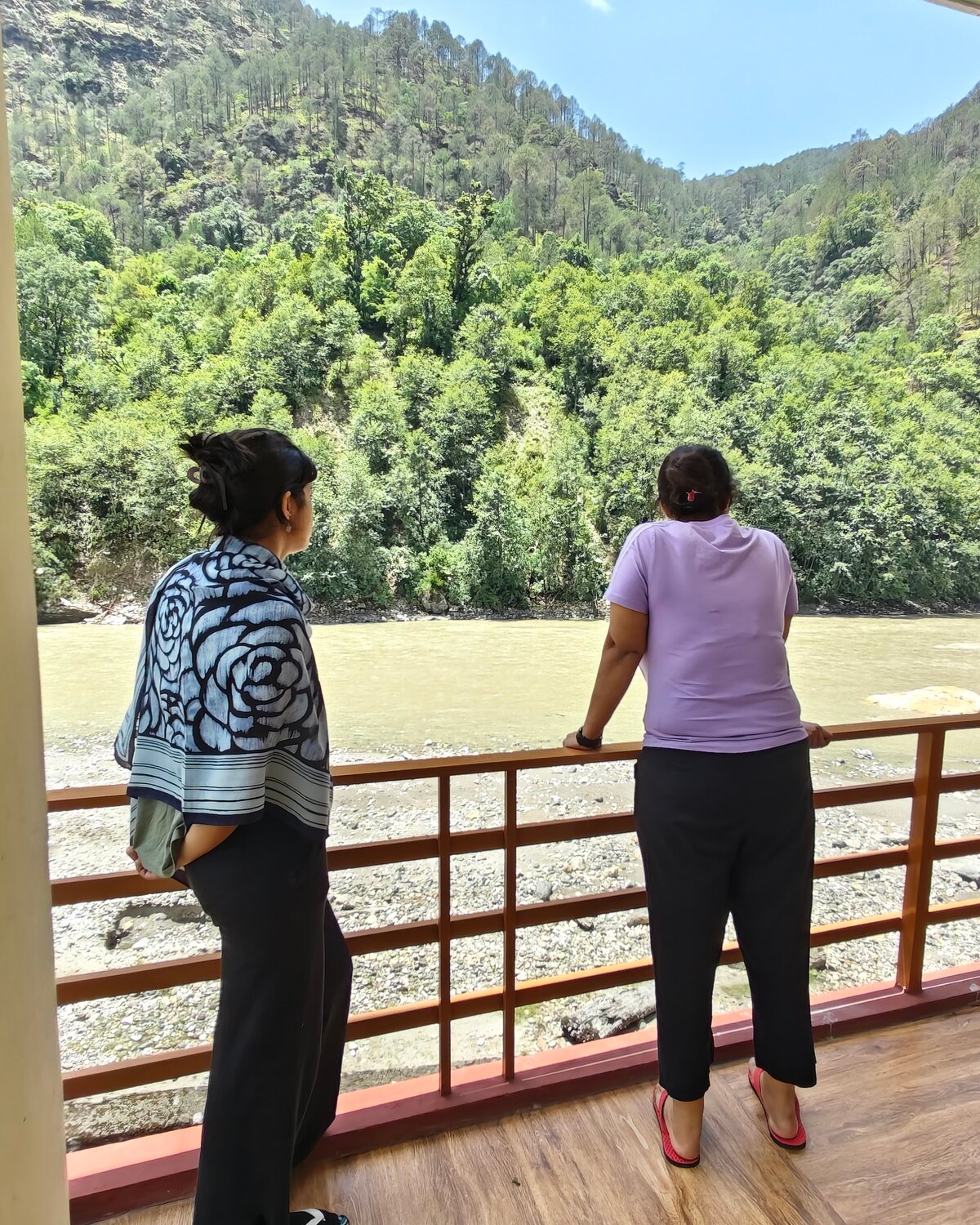
The mountains do not make anyone more spiritual. But they remove many of the places where we usually hide from ourselves.
What I noticed, on my own visits, was simpler than any grand claim. In the Himalayas, silence does not feel empty. It feels like part of the teaching.
Choosing Uttarkashi Also Meant Choosing Difficulty
I knew Uttarkashi would not be the easiest choice. Harder travel. Fewer conveniences nearby. Changeable mountain weather. More complex transfers and food logistics. New venue planning and staff coordination, built largely from scratch. Real financial uncertainty while we rebuild operational systems that took years to establish in Kerala.
It also meant asking our team and our students to trust a vision that was, at the time, still taking shape. But easy and right are not always the same thing. This move is not a marketing gimmick — it is, honestly, the harder path operationally. We chose it anyway.
Why We Are Ending Residential Programmes in Kerala
I want to be direct about this, because I think our students and our community deserve clarity.
Stri Wellness will no longer run residential teacher trainings in Kerala. We are choosing one clear residential home. Uttarkashi will become the setting for our residential teacher trainings and selected immersions going forward. This is not a temporary experiment, and it is not a seasonal add-on alongside Kerala.
We are not keeping one foot in Varkala and one in Uttarkashi. That would be easier operationally, but it would also dilute the intention behind this decision. For our residential work, Uttarkashi is not an additional location. It is the direction we are choosing.
What We Hope Students Will Find There
I do not want students to come to Uttarkashi only to collect a certificate. I want them to notice how they breathe when life becomes quiet. How they respond when the day is structured. How they relate to discomfort. How they learn when there is nowhere else to rush to.
Time, real attention, direct access to teachers, morning practice, evening reflection, shared meals, a genuine community, fewer distractions, and space for self-observation — this is what we hope students find in Uttarkashi: learning through process, not through spectacle.
What We Are Carrying with Us from Varkala
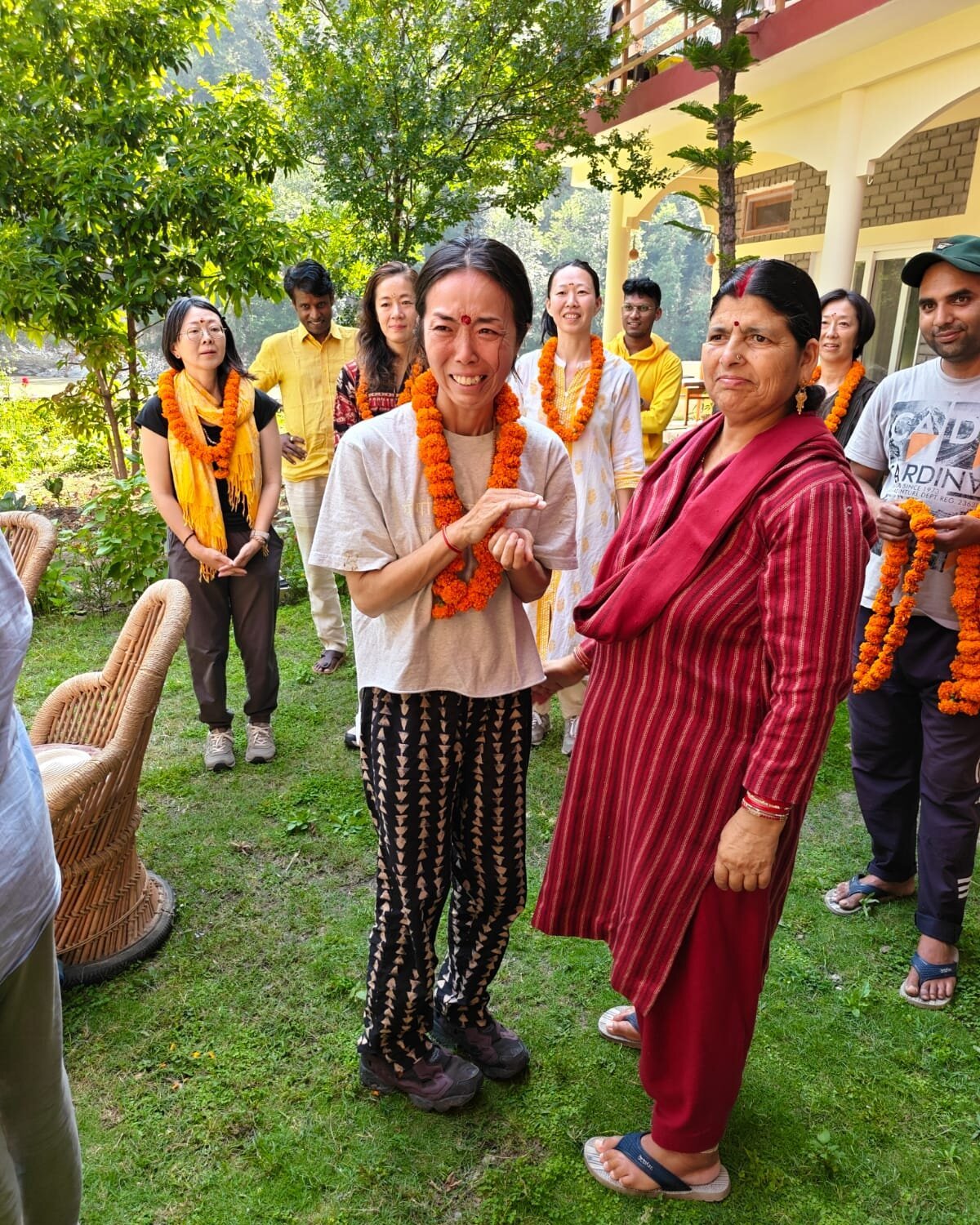
We are not leaving behind the heart of Stri Wellness. We are carrying it into a landscape that can hold its next chapter.
The warmth, the care, the community, the nourishment, the openness, the laughter, the shared meals, the connection with nature, the emotional safety, and the feeling that every student is known personally — none of that belonged to Varkala alone. It belongs to how we teach, wherever we teach.
Some Learning Happens After the Formal Class Ends
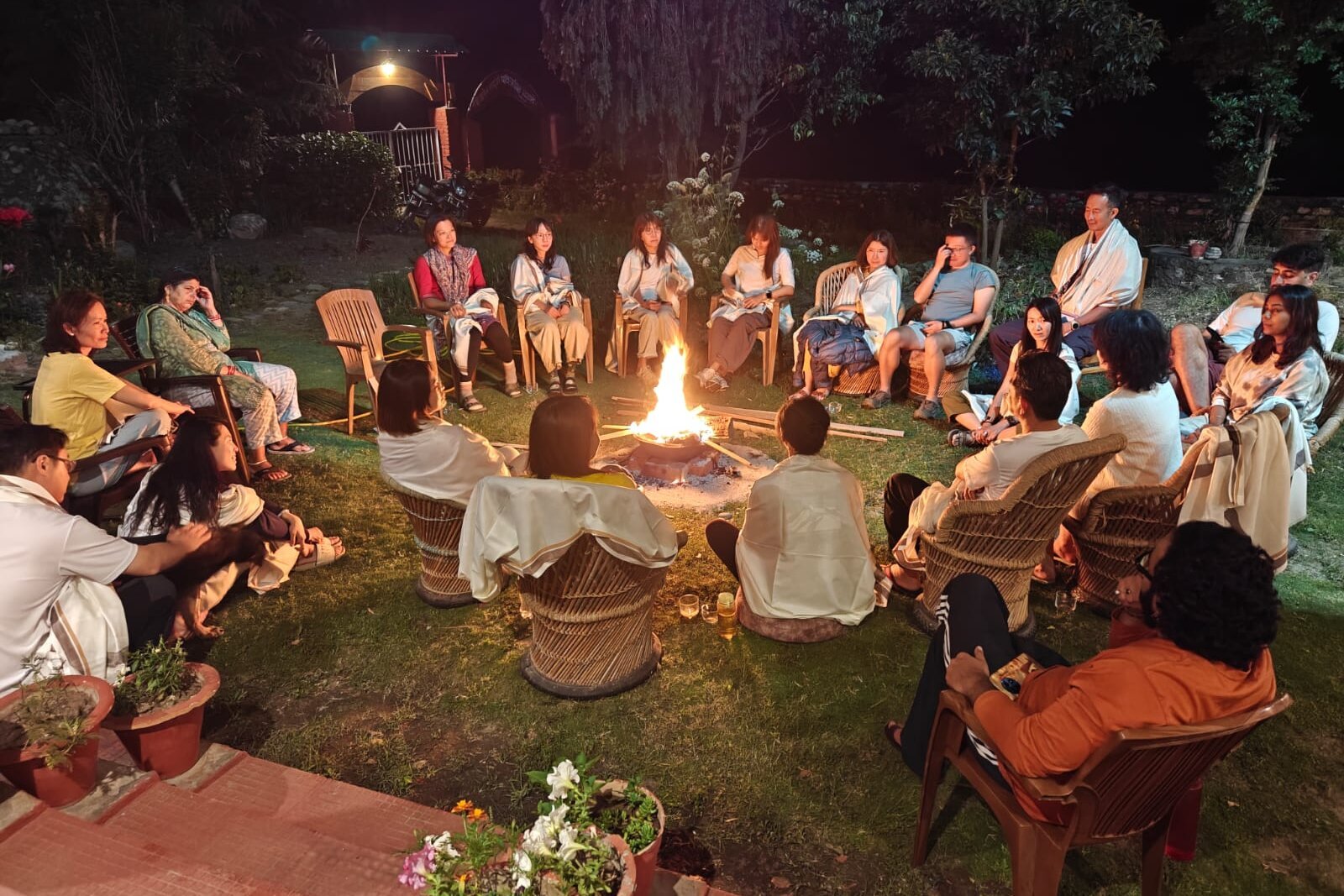
Around shared meals, evening conversations and occasional quiet gatherings around a fire, students begin to know one another beyond roles, professions and certificates. This is not part of every evening or every batch — but when it happens, it becomes part of the memory too.
What Will Change in Uttarkashi
A stronger residential immersion. A quieter setting, further from tourist activity. More structured days. A closer Gurukul-style rhythm, with more room for reflection and deeper practice, and a greater emphasis on community living. Travel will require more preparation than it once did — we won't pretend otherwise, and we won't promise luxury we can't confirm.
What Will Not Change
Evidence-informed education. Our focus on women's health. Practical teaching methodology. Small batch sizes. Individual mentorship. The warmth and care our students have always told us mattered most. Ethical teaching, personal attention, and the integration of yoga, physiology, lifestyle and self-understanding that has always been at the centre of how we teach.
A Personal Note to Our Students
To every student who studied with us in Varkala: that chapter matters deeply to me. The memories, trust and community built there are part of Stri Wellness forever. This move does not erase what came before. It honours it by allowing the school to keep growing honestly.
And to every student considering Uttarkashi: come only if you are ready for more than a beautiful place. Come ready to participate. Come ready to slow down. Come ready to be uncomfortable sometimes. Come ready to learn.
Why Uttarkashi, Ultimately?
Because Stri Wellness is no longer searching for a place that simply looks beautiful in photographs. We are searching for a place that supports the kind of learning we believe in. A place where yoga is not separated from daily life. A place where silence, discipline, community and nature become part of the curriculum. A place where students can come not only to become teachers, but to become more honest practitioners.
For us, that place is Uttarkashi.
— Nisha Ahya